We talk to a lot of out-of-state property owners—people who fell in love with Northwest Arkansas during a cycling trip or a visit to Crystal Bridges, bought a vacation home here, and now find themselves managing a property from 500 or 1,000 miles away.
Most of them are smart, capable people who’ve successfully managed plenty of complex things in their lives. But managing a property in Northwest Arkansas from a distance comes with specific challenges that aren’t immediately obvious until you’ve lived through a few seasons here. And by the time you’ve figured out what you didn’t know, you’ve often already paid for the education through guest complaints, emergency repairs, or missed revenue.
We see the same patterns repeatedly—not because owners are doing anything wrong, but because there are things about this market that you genuinely can’t know unless you’re here. As property owners ourselves who manage both our own properties and others throughout NWA, we’ve made most of these mistakes firsthand. Here’s what we’ve learned.
1. Underestimating How Much Weather Affects Operations
Northwest Arkansas has four distinct seasons, and each one creates specific property management challenges that owners in other climates might not anticipate.
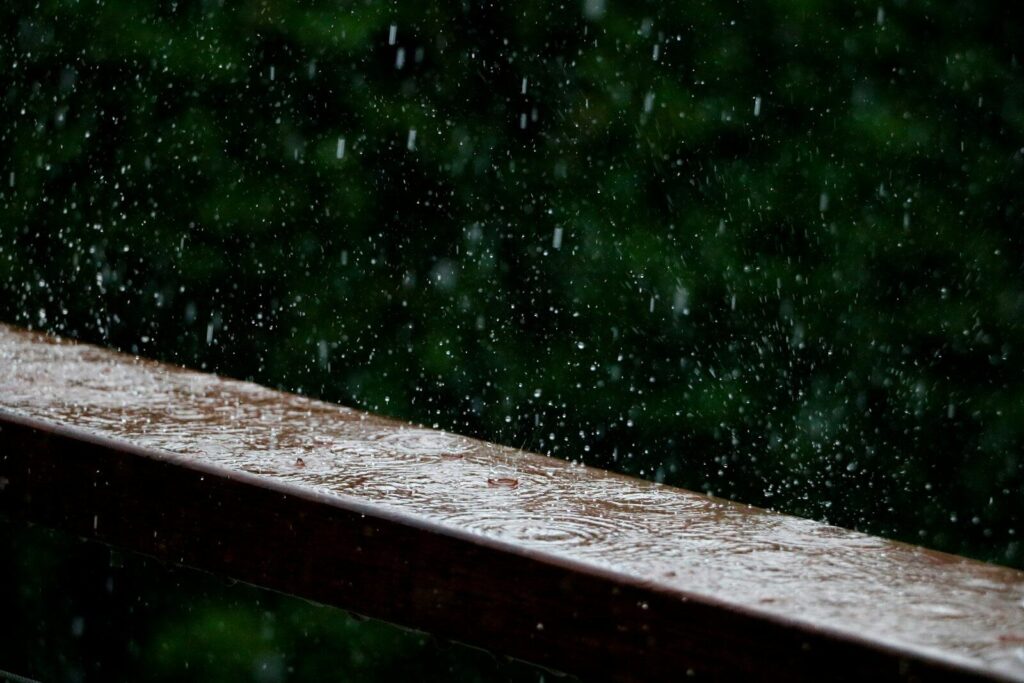
Spring: Heavy rain is common from March through May. Trails close frequently after significant rainfall—sometimes for days—which directly affects guest experience and expectations. Properties with drainage issues that seemed fine during a summer showing become problems in April. Gutters that looked adequate suddenly overflow. And if your landscaping plan didn’t account for NWA’s clay soil and spring moisture, you’ll find out quickly.
Summer: Humidity here is real. Air conditioning isn’t optional, and an undersized or poorly maintained HVAC system will fail during the hottest weeks when occupancy is highest. We’ve seen owners who tried to save money with a marginal AC unit end up paying for emergency replacements in July—at premium rates, with guests in the property.
Fall: This is peak cycling season, but it’s also when temperature swings are most dramatic. A property that’s comfortable at 70 degrees during the day can drop to 45 at night. Guests from warmer climates don’t always pack for that, and if your property doesn’t have adequate heating or warm bedding, reviews will mention it.
Winter: It freezes here. Not often, and not for long stretches like northern states, but it happens—and when it does, properties that aren’t weatherized properly have problems. Pipes that aren’t insulated, outdoor faucets that weren’t shut off, and hose bibs that weren’t drained will freeze and burst. The repair bills are significant, and the guest impact is worse.
What to do about it: Build relationships with local contractors who can respond quickly to weather-related issues. Schedule preventive seasonal maintenance—gutter cleaning before spring, HVAC servicing before summer, pipe insulation before winter. And keep emergency contacts for plumbing, HVAC, and electrical readily available, because problems don’t wait for business hours.
2. Not Understanding Trail Conditions and Closure Patterns
If you bought a property specifically because it’s close to trails—and a lot of out-of-state owners do—you need to understand how trail access actually works in Northwest Arkansas.
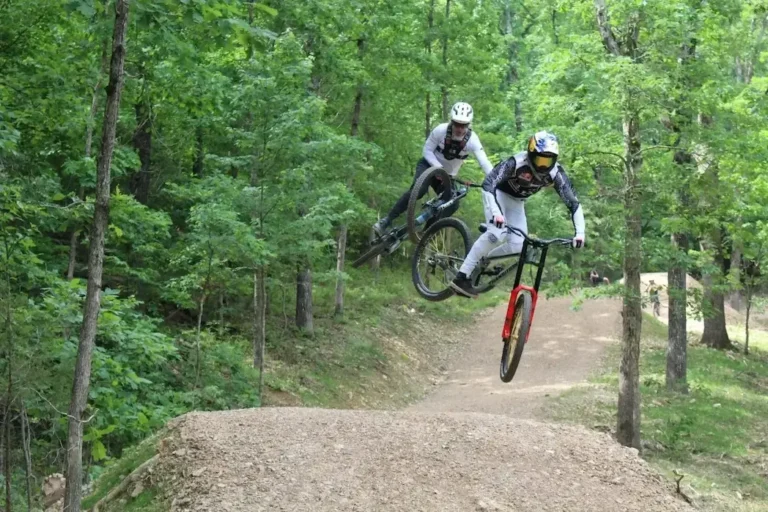
Trails close after rain. Not always, and not all of them, but many of the most popular mountain biking trails in the region are built on clay soil that becomes unrideable when wet. Riding on wet trails damages them, so responsible trail stewards close them until they dry out. Depending on the amount of rain and the specific trail system, closures can last anywhere from a day to nearly a week.
This matters because guests don’t always know this when they book. They see “0.4 miles from Slaughter Pen” in your listing, plan their trip around riding those trails, and then arrive to find them closed. If they’re experienced mountain bikers, they understand and adapt. If they’re newer to the sport or unfamiliar with NWA, they’re frustrated—and that frustration often shows up in reviews.
The same pattern applies to extreme heat or cold. Trails don’t officially close for temperature, but experienced riders avoid them during the hottest parts of summer days. Guests who don’t know this learn the hard way.
What to do about it: Provide trail condition resources in your welcome materials. Link to Trailforks.com or the Oz Trails website where guests can check current conditions. Include backup trail recommendations—paved options like the Razorback Greenway that are rideable in any weather, or alternative trail systems that drain faster. And when you know significant rain is coming before a guest’s arrival, send a proactive message with alternative options. That single gesture often turns a potentially negative experience into a positive one.
3. Trying to Manage Vendor Relationships Remotely
One of the hardest things to do from 500 miles away is coordinate reliable local service providers—cleaners, maintenance contractors, landscapers, HVAC technicians. It’s not impossible, but it requires understanding how the local market works, and that understanding usually comes from trial and error.
Good contractors in Northwest Arkansas are busy. The region’s growth means there’s more work than available providers in many trades. The best cleaners and handymen already have full schedules, and they’re selective about taking on new clients—especially clients they can’t meet face-to-face or whose properties they haven’t walked through in person.
Remote owners often end up working with whoever responds to their initial outreach, rather than the providers who would actually do the best work. And because you’re not here to inspect quality or build relationships, it’s harder to hold vendors accountable or even know when you need to find someone new.
The other challenge: emergency availability. When something breaks on a Friday evening, you need a contractor who’ll actually show up—not just someone who says they will. That kind of reliability comes from established relationships and local reputation, which is hard to assess from another state.
What to do about it: This is genuinely one of the strongest arguments for professional local property management. A good manager already has vetted relationships with multiple providers in every category, knows who’s responsive and who isn’t, and has the leverage of ongoing business to ensure quality work. If you’re managing remotely, invest the time upfront to build a roster of 2-3 options for each service category rather than depending on a single provider. And expect to pay for responsiveness—the contractors who answer their phones and show up quickly charge appropriately for that reliability.
4. Underpricing During Peak Demand Periods
Out-of-state owners consistently leave money on the table during NWA’s highest-demand periods because they don’t realize when those periods actually are.
The obvious ones—Oz Trails off-road, major cycling events, Bentonville Film Festival—most people figure out eventually. But there are dozens of smaller demand drivers throughout the year that locals know about and remote owners don’t. Corporate events at Crystal Bridges. University of Arkansas home football games (Fayetteville is 30 minutes away and Bentonville properties fill up). Major mountain bike races that aren’t nationally advertised but draw regional participants and spectators. Even specific weekends when perfect weather and fall foliage create spontaneous demand surges.
If you’re pricing algorithmically based on Airbnb’s suggestions or using a simple baseline rate with modest adjustments, you’re missing significant revenue during these windows. Local managers know to raise rates 30-50% for specific weekends because they’ve seen the booking patterns year after year.
The inverse is also true: out-of-state owners sometimes keep rates high during periods when demand softens, leading to vacant calendar dates that could have been filled at lower rates. The local market has seasonal rhythms that aren’t obvious from a distance.
What to do about it: Subscribe to local event calendars—Bentonville Chamber of Commerce, Crystal Bridges, Oz Trails Foundation, University of Arkansas athletics. Mark major weekends on your calendar months in advance and adjust pricing proactively. If you’re using dynamic pricing software, make sure it’s calibrated for NWA-specific events, not just generic market data. And pay attention to what comparable properties in your immediate area are charging—comp analysis works, but only if you’re looking at truly local comparisons.
5. Not Having Eyes on the Property Between Guests
This is the one that creates the most anxiety for remote owners, and understandably so. When you’re managing from another state, there’s always a nagging question: is my property actually in the condition I think it is?
Cleaners do their jobs—most of them, most of the time. But cleaning isn’t inspection. A cleaner isn’t going to notice that the deck railing is starting to loosen, that the HVAC filter is overdue for replacement, that one of the outdoor light fixtures has stopped working, or that the landscaping is looking tired.
Guests sometimes damage things and don’t report it. Not maliciously—they just don’t realize the table they bumped left a dent, or that the wine glass they broke was part of a set, or that the stain on the couch cushion didn’t come out. These small issues compound over time, and if nobody’s physically checking the property regularly, you find out about them when they’re bigger problems.
The other risk: major issues that develop between stays. A pipe that starts leaking slowly. An appliance that’s failing gradually. A roof leak that only shows up during heavy rain. Without regular inspections, these problems continue until they cause guest-facing failures or significant damage.
What to do about it: The minimum standard is monthly inspections with photo documentation. Someone needs to physically walk through the property, check all systems, look for wear or damage, and document what they see. If you’re managing yourself remotely, hire a local contact to do this—either a trusted friend, a property manager offering inspection-only services, or a professional home inspector on retainer.
Better is inspection after every checkout during high-turnover periods, which catches issues immediately and ensures quality control between guests. This is standard operating procedure for professional property managers but harder to coordinate if you’re doing it yourself from a distance.
The photos matter as much as the inspection itself. You can’t assess condition without visual evidence, and having a photo history of your property lets you track changes over time. A small crack that’s stable is different from one that’s growing.
6. Assuming Guest Expectations Are the Same Everywhere
Northwest Arkansas attracts a specific type of visitor—outdoor enthusiasts, cycling tourists, families visiting Crystal Bridges or Momentary, corporate travelers for Walmart or its vendors. These guests have expectations shaped by this market, and if your property doesn’t meet them, reviews reflect it.
Cycling guests expect bike storage, ideally secure and weather-protected. They want somewhere to wash bikes after rides. Many bring expensive equipment they won’t leave in cars or on porches. If your property listing mentions trail proximity but doesn’t actually accommodate cyclists, you’ll get bookings from them—but the reviews won’t be five stars.
Families visiting cultural attractions often travel with younger children and expect properties to be safe and functional for kids—outlet covers, cabinet locks, gates on stairs if the property has open designs. These aren’t things you’d necessarily think about if you’re used to hosting couples.
Corporate travelers need reliable WiFi—genuinely reliable, not just “we have internet.” They’re often working from the property during their stay, taking video calls, uploading large files. A connection that’s fine for casual browsing won’t cut it.
What to do about it: Look at reviews of comparable properties in your area and note what guests consistently mention—positively and negatively. Those patterns tell you what this specific market expects. Adjust your property amenities and your listing description to match the actual guest mix you’re targeting. And if your property can’t realistically serve a certain guest type well (like cyclists if you don’t have bike storage), don’t position it for that audience. Better to attract guests whose expectations you can meet than to disappoint ones whose you can’t.
7. Not Building Relationships in the Local Community
This one is subtle but matters more than most remote owners realize. Property management in Northwest Arkansas—especially for vacation rentals that serve the cycling and cultural tourism economy—works better when you’re connected to the local community.
The bike shops know which trails are riding well on any given day. Local restaurants know when major events are creating demand surges. Real estate agents hear about new properties coming on the market before they’re listed. Other property owners share information about reliable contractors, challenging guests, and market changes.
If you’re managing from out of state and you’re not plugged into those networks, you’re operating with less information than your competition. You find out about problems later, you pay more for services, and you miss opportunities.
This isn’t an argument against remote ownership—it’s an argument for having genuine local representation, either through property management or through deliberately cultivating relationships during your visits to NWA.
What to do about it: If you’re self-managing remotely, join Northwest Arkansas property owner groups on Facebook. Subscribe to local business publications. Visit your property regularly and use those trips to meet contractors, visit bike shops, eat at restaurants you recommend to guests. Build the network that gives you local intelligence.
Or work with a property manager who’s already embedded in that community and brings those relationships as part of their service. The value isn’t just task execution—it’s the accumulated local knowledge and connections that make everything else work better.
The Reality: Distance Creates Disadvantages
None of this is insurmountable, but it’s important to be honest about what managing a Northwest Arkansas property from another state actually requires. It takes more time than you probably expect. It requires local knowledge you don’t automatically have. And it introduces points of failure that don’t exist when you’re managing a property where you live.
Some out-of-state owners make it work through sheer effort, detailed systems, and regular visits. Many more realize after a season or two that professional local management makes sense—not because they can’t do it themselves, but because the time investment and stress aren’t worth the management fee savings.
The goal isn’t to make remote management sound impossible. It’s to help you understand what you’re actually taking on so you can make informed decisions about how to structure things for success.
Want to Talk Through What Makes Sense for Your Property?
Schedule a consultation with B Home Management. We’ll give you an honest assessment of what remote management would actually require for your specific property and situation—and help you decide whether professional management, self-management with local support, or a hybrid approach makes the most sense.
We own properties in NWA ourselves, which means we’ve navigated exactly these challenges. We know what works and what doesn’t.
Schedule Your Property Assessment
About B Home Management
B Home Management provides property management services for short-term and long-term rentals throughout Northwest Arkansas. As local property owners ourselves, we understand the specific challenges of managing NWA properties—especially for out-of-state owners who need trustworthy local expertise.