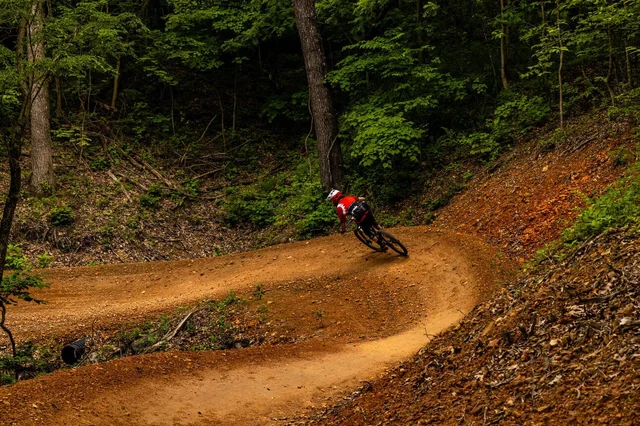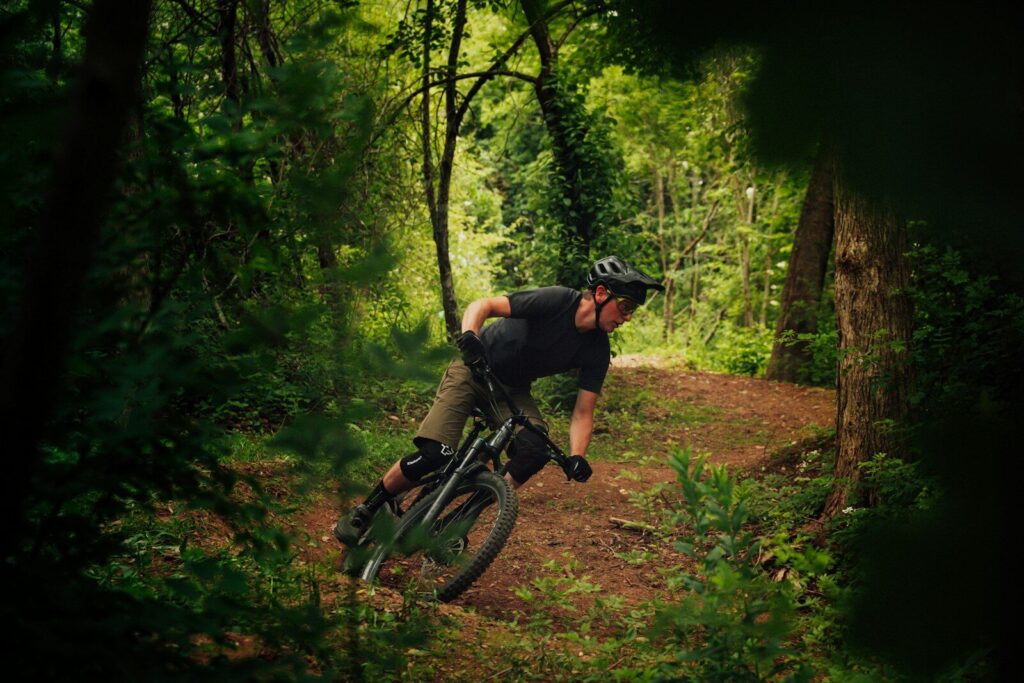
Northwest Arkansas attracted over a million visitors in 2024, and a significant portion of them came specifically to ride. The Oz Trails network, Slaughter Pen, Coler Mountain Bike Preserve, the Razorback Greenway, and now the incoming Bella Vista bike lift park have positioned NWA as one of the premier cycling destinations in the country—the kind of place cyclists plan trips around, not just stumble across.
That’s a significant opportunity for vacation rental owners. Cycling tourists tend to travel in groups, stay multiple nights, book in advance, and return when they have a great experience. They spend money locally—on bike shops, food, gear—and they talk. A lot. Cycling communities are tight-knit, and a property that genuinely serves riders will earn referrals that no marketing budget can buy.
But here’s what we’ve noticed managing properties in this market: most vacation rentals aren’t actually set up for cycling guests. The listings are generic. The amenities don’t address what riders actually need. And when a cyclist books a property that looked fine in the photos but has nowhere to securely store a $6,000 bike, they don’t forget it—and they don’t come back.
The good news is that the gap between what cycling guests want and what most properties offer isn’t that hard to close. Here’s what actually matters to them.
Secure Bike Storage Is Non-Negotiable
If there’s one thing that separates a cycling-friendly property from one that just happens to be near trails, it’s secure bike storage. This is the single most important amenity you can offer, and it’s the one most properties get wrong.
A serious mountain bike or road bike is a significant investment—often $3,000 to $10,000 or more. Riders are not leaving those bikes on an exposed porch, leaned against a wall, or locked to a deck railing. If your property doesn’t have somewhere genuinely secure to store bikes, that’s a dealbreaker for the guests you most want to attract.
What secure actually means:
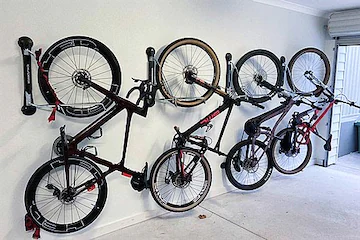
- An enclosed garage with a lockable door, or a dedicated storage room
- Space for multiple bikes—cycling guests often travel in groups of 2-6
- Enough vertical clearance and floor space to store full-suspension mountain bikes (these are bulkier than road bikes)
- Ideally, wall-mounted hooks or a freestanding bike rack so bikes aren’t just stacked against each other. These racks by steadyrack are our personal favorite!
A storage closet with a padlock isn’t secure storage. A detached carport isn’t secure storage. An attached garage with a deadbolt is.
If your property has a garage that’s currently being used for general storage, clearing it out and adding a wall-mounted bike rack is one of the highest-ROI improvements you can make for this market. The investment is minimal—a quality wall rack runs $50-150—and the impact on your listing’s appeal to cycling guests is substantial.
A Bike Wash Station Changes Everything
Cycling guests come back from rides covered in trail dust, mud, and chain grease. They need somewhere to clean their bikes before bringing them inside or loading them for the next day.
A dedicated bike wash setup doesn’t need to be elaborate. What it needs is:
- An outdoor hose bib with good water pressure and adequate hose length to reach the storage area
- A hard surface (concrete, gravel, or pavers) that drains properly—not a grassy area that turns into a mud pit
- Ideally, a nozzle with adjustable pressure for detail cleaning
That’s genuinely all it takes at the basic level. A bucket, a brush, and access to a hose will satisfy most riders.
For properties wanting to go further, a mounted hose reel near the storage area is a premium touch that guests notice and mention in reviews. Some properties add a small outdoor utility sink, which is particularly useful for cleaning components. Biodegradable bike-specific soap stocked as a consumable—right alongside the dish soap and hand wash—is a small detail that signals to guests that you understand what they need.
What you want to avoid is the situation where a guest has a muddy bike, no good place to clean it, and has to choose between tracking mud into the house or leaving the bike dirty overnight. That’s an avoidable friction point that shapes how guests feel about their stay.
Gear Drying and Mudroom Space
Cycling gear is technical, expensive, and wet after most rides. Padded shorts, jerseys, base layers, gloves, helmets, shoes—a group of four riders generates a significant volume of gear that needs to hang and dry overnight.
Most properties aren’t designed for this, and riders know it. They end up draping wet kit over shower curtain rods, hanging helmets from door handles, and stuffing soggy shoes under bathroom sinks. It’s manageable but it’s not comfortable, and it’s not the kind of experience that earns five-star reviews from cyclists.
A few things make a real difference here:
Indoor drying space: A mudroom, utility room, or even a dedicated area with hooks or a drying rack near the entry. This doesn’t require a full renovation—a row of wall hooks near the back door and a folding drying rack stored nearby can solve most of the problem. Add a boot tray for wet shoes and you’ve covered the basics.
Outdoor gear drying: Some properties add a covered outdoor area with hooks or a rack, which is ideal because riders can hang gear outside after a ride without dripping through the house. Even a small covered porch with a few hooks adds real utility.
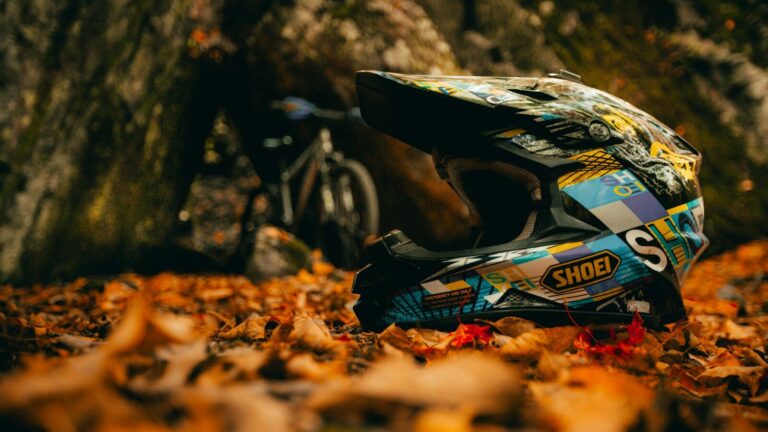
Helmet and shoe storage: Cyclists don’t love leaving helmets in cars or in the general living space. A shelf or designated area near the bike storage—outside or in the mudroom—that can hold helmets, shoes, and gloves is a thoughtful touch that experienced riders notice.
The properties that get this right tend to get mentioned in reviews specifically. “Perfect setup for cyclists” is a phrase that shows up in listings that have thought through the full experience rather than just the photo-ready amenities.
The Repair Stand: Small Investment, Big Signal
A basic bike repair stand—the kind that clamps onto the bike’s seatpost or frame and holds it at a working height—costs $150 to $300 at any bike shop or online. Buying a brand that cyclists recognize shows you “get it”. For a cycling-focused vacation rental, it’s one of the most efficient investments available.
Here’s why: even on well-planned trips, cyclists deal with mechanicals. A brake that needs adjusting, a derailleur that shifts poorly after a hard ride, a saddle height that needs to come up half an inch. These are normal, routine tasks that any rider can handle themselves if they have somewhere stable to work on their bike.
Without a repair stand, working on a bike means either lying on the ground, leaning it against a wall in an awkward position, or just leaving the problem for later. With a repair stand, it takes five minutes.
A few common tools that complement the repair stand:
- A floor pump with a pressure gauge (separate from any general household pump)
- A set of hex keys / Allen wrenches in common bike sizes (2mm through 8mm)
- A chain lube—either wet lube for muddy conditions or dry lube for dry trail days
You don’t need a full tool kit. The basics cover 90% of what guests will actually need, and the presence of these tools communicates something more important than their practical function: it tells cycling guests that the people managing this property understand what they’re doing.
What to Put in the Welcome Book
The physical amenities matter, but so does the information you provide. Cycling guests arrive with specific questions that generic welcome books don’t answer, and having the answers ready—ideally before they need to ask—elevates the entire experience.
What cyclists actually want to know:
- Trail conditions and closures: Where to check current conditions and whether there’s a local contact who knows what’s open after rain. Flowfeed is a cool site that gives the most up to date trail condition information for our area!
- Nearest bike shops: Hours, services offered, and whether they do walk-in repairs or require appointments. Include at least two options with their addresses and phone numbers
- Trail difficulty breakdown: Which trails near the property are appropriate for different skill levels. This is especially useful for groups where riders have mixed abilities
- Parking at trailheads: Where to park, whether there are fees, and which lots fill up fastest on weekends
- Post-ride food and drink: Riders finishing a long day on the trail want food that’s close and good. A short list of locally-recommended spots—not just whatever’s on Google—is genuinely valuable
- Emergency contacts for bike repairs: Some bike shops offer mobile repair services or can point guests to resources if something goes seriously wrong with a bike mid-trip
If you can add a small laminated trail map to the welcome materials, guests appreciate it. It’s a practical item they’ll actually use and a tangible reminder that this property was put together by people who understand cycling.
How This Translates to Listings and Reviews
Getting the amenities right is step one. Making sure potential guests know about them is step two, and it’s where a lot of properties leave value on the table.
In your listing title and description:
- Mention secure bike storage explicitly—don’t assume guests will infer it from photos
- Reference trail proximity in specific terms: “0.4 miles from Slaughter Pen Trailhead” is more useful than “close to trails”
- Call out the wash station, repair stand, and floor pump by name
- Use language that signals cycling fluency: “MTB,” “trail access,” “bike-friendly” in searchable descriptions
In your photos:
- Photograph the bike storage area specifically—show the hooks, the space, the security
- Show the wash station setup
- Include a shot of the repair stand and floor pump together
These aren’t glamour shots, but they’re the photos that cycling guests zoom in on when they’re evaluating a property. A clear photo of a quality storage setup can be the deciding factor for a group booking a long weekend trip.
The Compounding Effect of Getting This Right
Cycling guests who have a genuinely good experience at a property—where their bikes were safe, their gear dried overnight, and the welcome book told them exactly where to ride—become reliable repeat visitors and active advocates.
Cycling communities are close. Ride clubs, cycling Facebook groups, Strava communities, local shop group rides—these are tight networks where recommendations travel fast. One group of riders who loved your property can generate bookings from their entire social circle over the course of a season.
The properties that consistently win in this market aren’t always the biggest or the most expensively furnished. They’re the ones that clearly understand who cycling guests are and what they actually need—and made intentional decisions to deliver that experience.
Want Help Positioning Your Property for Cycling Guests?
B Home Management is embedded in Northwest Arkansas’s cycling community. We ride these trails, we know these guests, and we understand what separates a cycling property that fills its calendar from one that doesn’t.
Schedule a property assessment and we’ll take a look at your current setup, identify the highest-impact improvements for your specific property, and help you position it to capture the cycling tourism market that’s only growing in NWA.
We manage properties the way we’d want our own managed—which means actually understanding what your guests came here for.
Schedule Your Property Assessment
About B Home Management
B Home Management provides short-term and long-term property management throughout Northwest Arkansas. As cycling enthusiasts ourselves, we specialize in helping owners capitalize on NWA’s booming cycling tourism economy through expert positioning, proactive management, and genuine local expertise.